
An engineering group, described without embellishment
FOUR TIMES ONE builds and maintains software systems. This page explains how we think, how we work, and what we hold ourselves to — nothing beyond that.
01Company story
One idea, examined four ways
FOUR TIMES ONE was formed around a preference for engineering that can be explained. Much of the software we were asked to repair had the same problem: it worked, but nobody could say why it worked, what it depended on, or what would break if it changed.
So the group organised itself around a simple method — examine one problem from four sides: the process it serves, the data it moves, the people who operate it, and the system that must keep running afterwards. That is what the name records.
We publish no timeline, office list, or client roster, because we prefer to state only what is verifiable. What we can describe precisely is the work: services, process, and the standards we hold each increment to.

02 — Mission and vision
Where we are going, and why
Mission
To build software that the people who own it can understand, operate, and change without depending on the people who wrote it.
In practice this means documented architecture, automated tests, reproducible environments, and handovers that include the reasoning as well as the code.
Vision
A working standard where maintainability, accessibility, and security are ordinary requirements rather than optional extras.
We would rather contribute to that standard through consistent delivery than through claims about it, which is why our public statements stay narrow and checkable.
03Values
Six commitments we apply to every engagement
- V01
Say what is true
We describe only work we perform and claims we can support. No invented history, awards, or figures.
- V02
Write it down
Decisions, assumptions, and risks exist as text. A system nobody can read is not finished.
- V03
Small steps
Short increments with acceptance criteria keep mistakes cheap and progress visible.
- V04
Least privilege
Access, data, and dependencies are kept to the minimum the system genuinely requires.
- V05
Leave it maintainable
Readability and tests are part of delivery, because most of a system's life happens after launch.
- V06
Accessible by default
Interfaces are built for keyboard, contrast, and assistive technology from the first commit.
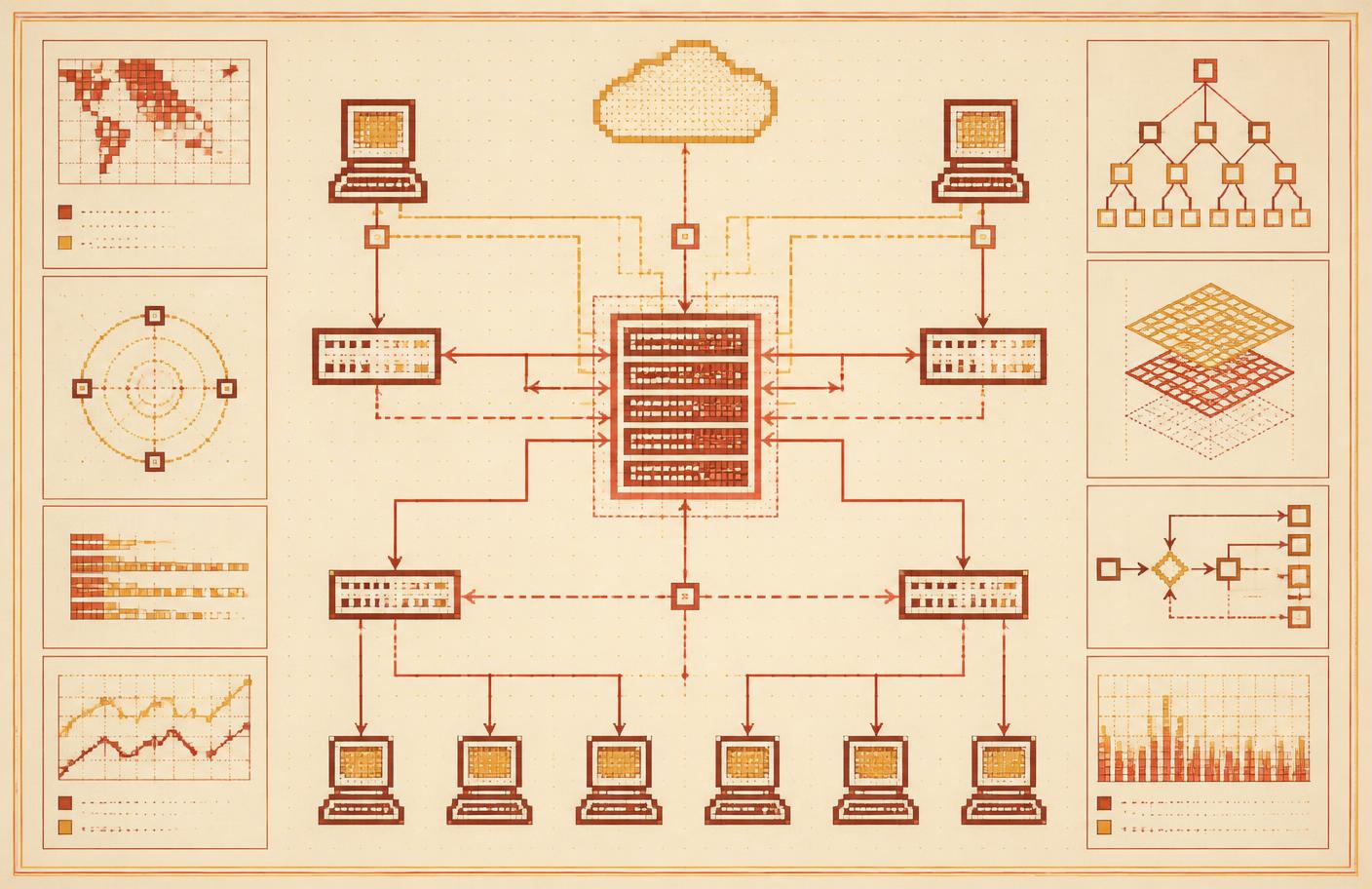
04Approach to technology
Boring choices, deliberately made
We select technology after the problem is understood, and we favour mature, well-documented tools over novel ones. A component enters a system when it removes more risk than it introduces.
Dependencies are reviewed for maintenance status and licence terms. Infrastructure is expressed as code so an environment can be recreated rather than remembered. Where a simpler approach solves the requirement, we take the simpler approach and say so.
05Quality principles
What "done" has to mean
An increment is complete only when each of these is satisfied. None of them is negotiable at the end of a sprint.
- Q01Acceptance criteria were written before implementation began.
- Q02Every change passed peer code review.
- Q03Automated tests cover the new behaviour and run in the pipeline.
- Q04Keyboard operation and contrast were checked against WCAG 2.2 AA expectations.
- Q05Performance stayed within the agreed budget on a mid-range device.
- Q06Inputs are validated on both the client and the server.
- Q07Documentation and release notes were updated in the same change.
06 — Collaboration philosophy
Fewer meetings, more written record
We work asynchronously by default. Scope, questions, and decisions live in shared documents and trackers so anyone can catch up without a call. Synchronous time is reserved for the discussions that genuinely need it: design reviews and demonstrations.
Disagreement is treated as useful information. When we think a request will cause a problem later, we say so, explain the trade-off, and record the decision that follows — including when the decision is not ours.

07Team expertise
Described by capability, not by biography
We do not publish names, photographs, or headcounts. What we can describe honestly is the range of competence the group covers, and the fact that every engagement is staffed only with the disciplines it actually requires.
- Software engineering across web front-end, backend services, and API design.
- Architecture and technical analysis, including review of existing systems.
- Cloud and platform engineering: containers, pipelines, infrastructure as code.
- Data engineering: pipelines, validation, reporting models, and automation.
- Quality engineering: test strategy, automation, accessibility, and performance.
- Security-oriented practices: threat modelling, access design, secure review.
Where an engagement needs expertise the group does not hold, we say that plainly rather than learning it at a client's expense.

08Contact information
Reach the group in writing
Full contact details are listed on the Contacts page.
- Company
- FOUR TIMES ONE
- [email protected]
- Website
- fourtimesonegroup.com